


Are you constantly exhausted? You can’t fall asleep even if you try? If you’re going through menopausal fatigue, it isn’t “just in your head.” It’s real and common and has a cause.
This article explains why menopausal symptoms can drain your energy and what you can do to effectively do to combat it.
What Exactly Is Menopause?
Menopausal symptoms manifest when women’s menstrual cycle ceases completely. It is diagnosed officially after 12 months of no menstrual cycle. It is most common for women between the ages of 45 and 55.
The stage leading to menopausal symptoms is known as the perimenopausal phase. This is when the majority of the symptoms start and can last for years before menstrual periods cease.
Why Does Menopause Make You So Tired?
The most important cause is hormonal. Menopausal women experience estrogen and progesterone levels decrease dramatically. These hormones aren’t only involved in reproduction, but they can also impact your mood, sleep, and metabolism. It also affects your energy.
If they fall:
- The quality of your sleep decreases, and you are less peaceful.
- The body’s temperature regulation is off track
- Your mood may change and cause depression or anxiety that can further drain your energy.
Simply put, your body is experiencing a major change, and it is a strain on your body.
Is It Normal to Feel This Exhausted?
Absolutely normal. It is one of the most prevalent symptoms of menopause. Studies have shown that up to 85percent of women experience some form of fatigue throughout this phase.
However, it’s crucial to not ignore it as well. Sometimes, excessive tiredness could be a sign of thyroid problems or anemia – each of these is prevalent as menopausal women age. If the fatigue feels intense, it’s recommended to consult a physician.
What Other Symptoms Come With Tiredness?
Menopausal fatigue is rarely by itself. It is also possible to notice:
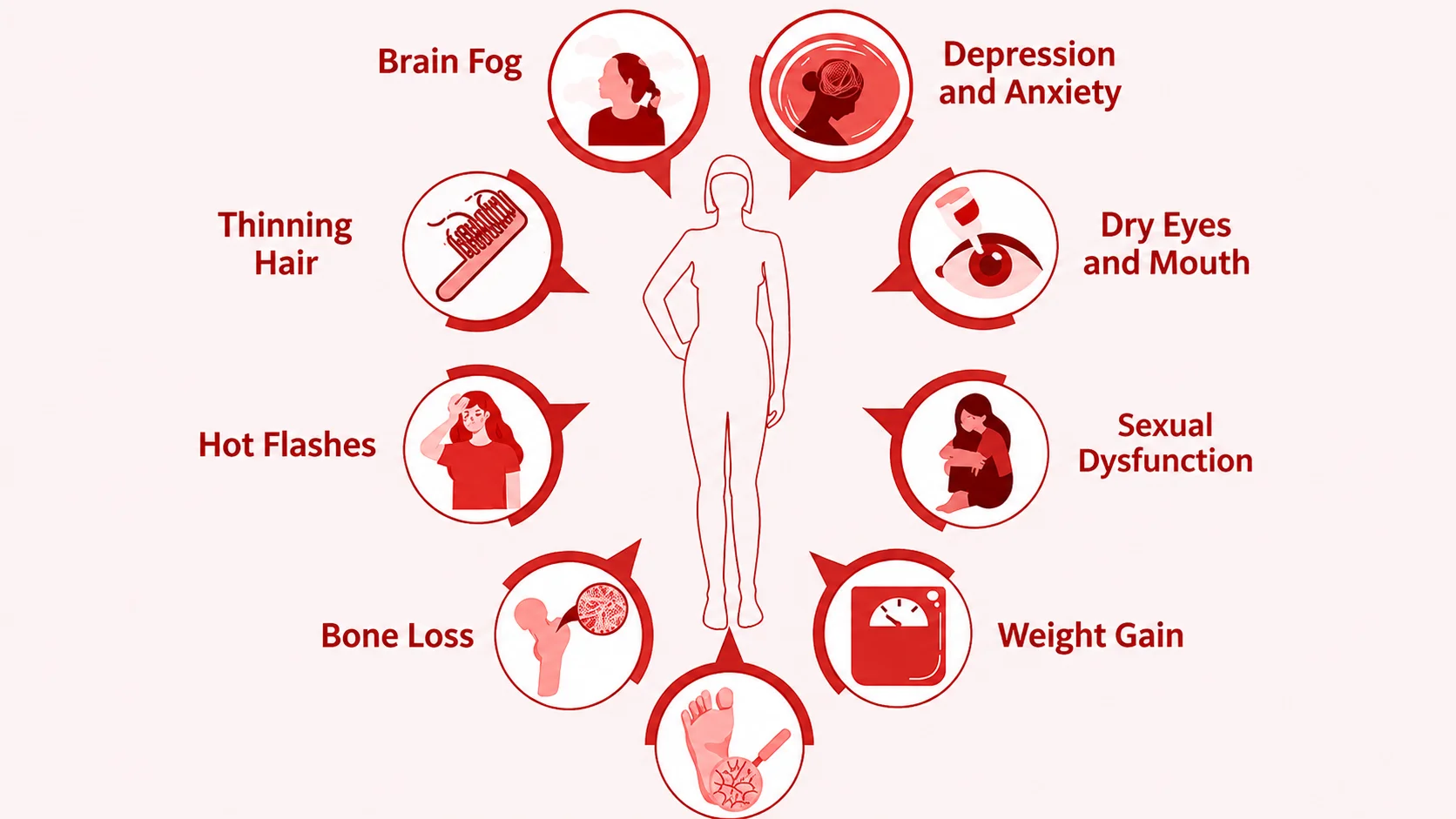
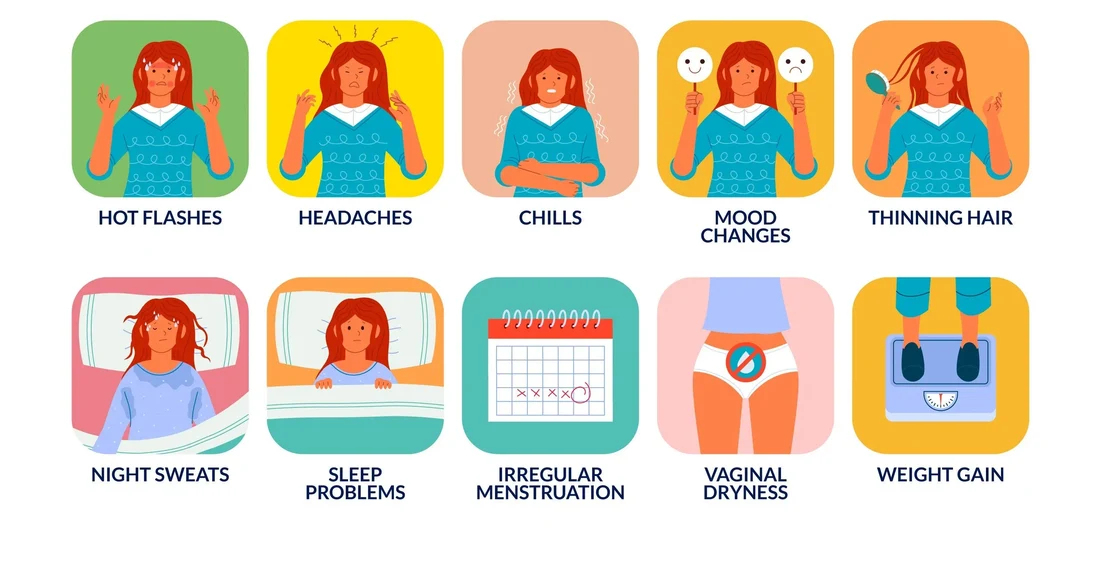
- Hot flashes are abrupt waves of heat that may strike either at night or in the daytime.
- Night sweats can wake you up sweaty and soaked, disrupting sleep
- Changes in mood — anxiety, irritability, or a feeling of depression without a reason
- The brain fog can be a problem — losing track of words, losing concentration, or feeling sluggish
- Joint pain is a less-known but extremely real menopausal sign
- Low libido – a decrease in sexual desire or discomfort during sexual activities
The symptoms of these conditions often overlap and feed into one another. Night sweats disturb your sleep. Poor sleep makes you fatigued. Fatigue worsens mood. It is a cycle.
How Does Poor Sleep Fit Into This?
Sleep disturbance is among the primary reasons for menopausal fatigue. Sleepy sweats that keep you awake for a long time. Progesterone that is lower naturally has a tranquilizing effect — implying it’s harder to sleep and fall asleep. Women may also experience sleep apnea in menopausal women at first.
If you’re sleeping from 7 to 8 hours and awake exhausted, your quality of sleep is the issue, not just the amount.
What Can You Do to Feel More Energetic?
There is no one-size-fits-all solution; however, there are some real strategies that can help:
- Make your bedroom a better place to sleep: Make sure your bedroom is cool, make sure you use air-conditioned bedding, and attempt to maintain a regular schedule for your bedtime. Little changes can lessen the effect of sweaty night times.
- Get moving your body: Even a walk of 20 minutes a day will increase your mood, boost energy levels, and allow you to sleep better in the evening. There is no need for intensive workouts.
- Be aware of what you consume: Sugar and processed foods can result in an energy crash. Concentrate on protein, healthy fats, and complex carbohydrates to help keep your energy steady throughout the day.
- Limit alcohol and caffeine: Both of them can cause hot flashes and disrupt sleep, even though they seem to be helping at the time.
- Consult a physician about the options available: Hormone replacement therapy (HRT) can benefit women in significant ways. Other non-hormonal medicines and supplements may change the course of your life. The best option is based on your health background.
When Should You Reach Out to a Healthcare Provider?
If you’re experiencing fatigue and it’s making it difficult to perform, take action now. It is advisable to consult an expert in the event of:
- The fatigue you feel is impacting your relationships or work
- You’ve slept enough, but still tired
- You are constantly feeling low and hopeless. You are anxious, depressed, or even depressed.
- You’re not sure whether your symptoms are due to menopause or a different cause.
It is not necessary to do this by yourself. Getting proper support makes a real difference.
Conclusion
The process of managing menopausal symptoms is much easier if you are supported. Telemedicine Alaska offers compassionate, professional telehealth consultations at the convenience of your home.
You may be trying to figure out what is causing your symptoms, look into alternatives to hormone therapy, or simply want someone to talk to that is committed to your needs. Telemedicine Alaska connects you to qualified health professionals who are experts in the field of women’s health.
No long drive. There are no waiting rooms. You will receive honest and real guidance that puts your health first.
If menopausal symptoms are dragging you down, make a call to Telemedicine Alaska today — since feeling better isn’t something you need to sit around waiting for.