

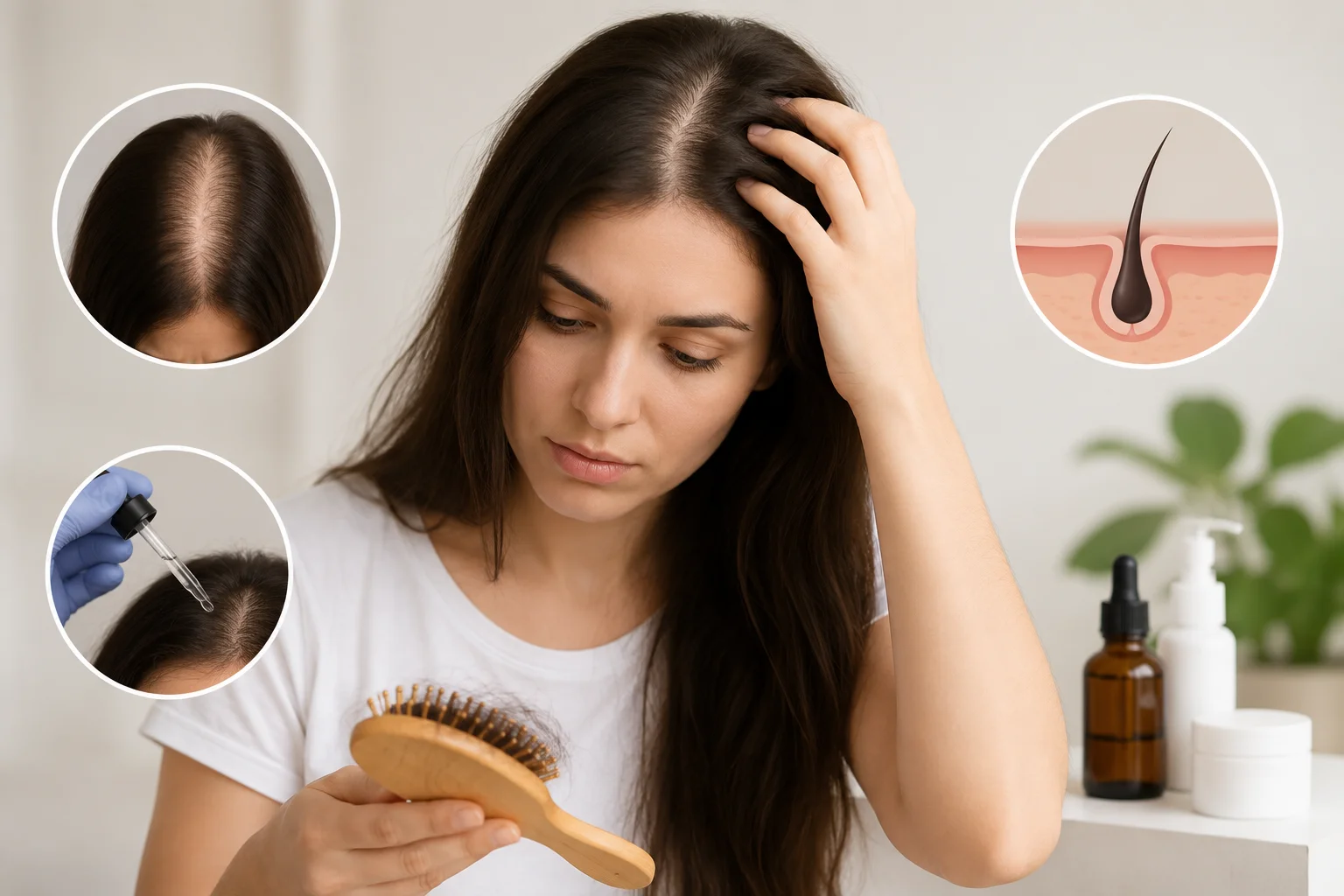
Hair loss is a problem that many women can manage quietly and don’t discuss. If you’re experiencing hair loss in your pillows, or a drooping part, or an enlargement of the temples of your face, you’re not alone. Many women suffer from hair loss at certain points in their lives. The positive side? There are genuine, effective treatments for hair loss in women, and you only need to be aware of where you should begin.
Is Hair Loss in Women Actually Common?
Yes, more frequent than many people believe. Around 40 percent of women experience noticeable loss of hair by the 50 years of 50. As opposed to men, women tend to experience a gradual loss of hair across the scalp instead of receding hairlines. Since it is gradual, many women dismiss the first signs of shedding as normal, and delaying treatment could make treatment more difficult in the future.
What’s Actually Causing Your Hair to Fall Out?
Women’s hair loss isn’t only due to genetics. There are many common reasons, and identifying the one that is right for you will be the initial step to successful treatment.
- Hormonal changes are among the main factors. Postpartum recovery, pregnancy, menopausal changes, and thyroid imbalances may affect hair loss. Cycle in a significant way.
- Nutrition deficiencies — particularly low levels of vitamin D, iron, and biotin can cause a gradual loss of hair follicles as time passes.
- Stress is another main cause. Stress, whether physical or emotional, can cause a large number of hair follicles to enter a “resting” stage, which can trigger noticeable loss of hair months or weeks later. This is referred to as Telogen effluvium.
- Scalp disorders like dandruff, fungal infections, or psoriasis can cause damage to follicles if they are not treated.
- Hairstyling techniques such as tight ponytails, braids, or heat styling could cause traction alopecia, an alopecia-related loss of hair caused by repeated physical stress to the shaft of hair.
The underlying medical condition, such as polycystic ovary syndrome (PCOS) or an autoimmune disorder (alopecia areata), may also be a cause.
How Do You Know Which Women’s Hair Loss Treatment Is Right for You?
There’s no universal solution here. The best treatment is based on the cause of your loss of hair in the beginning. This is the reason why obtaining an accurate diagnosis is crucial, as treating the wrong issue costs time and money.
In any case, here are the most often recommended treatments for women’s loss of hair solutions:
- Minoxidil (Rogaine): is the only FDA-approved treatment for the loss of female pattern hair. Applied directly to the scalp, it stimulates hair follicles and reduces the rate of loss. Women often see results after three to six months of continuous application.
- Nutrition support: If your loss of hair is due to an imbalance, addressing it via diet or supplements could bring about a noticeable change. Zinc, iron, biotin, and vitamin D are among the nutrients most frequently associated with hair health.
- Hormone treatment: For women going through menopause or experiencing hormonal imbalances, your doctor might recommend treatments to balance hormones that may also assist in restoring hair growth.
- Prescription medicines: Spironolactone is sometimes prescribed off-label for women suffering from androgenic Alopecia (hormone-driven loss of hair). It acts by blocking hormones that cause hair loss by shrinking follicles.
- Platelet Rich Plasma (PRP): treatment is a relatively new treatment option that lets you use the blood of your patient, which is rich in growth factors, is injected into your scalp. It’s becoming popular for its natural stimulation of hair growth.
- Laser Low Level Therapy (LLLT): devices, like caps or laser combs, utilize light energy to stimulate your scalp. They are available at home and have demonstrated promising results for women.
Finding the root of the issue. The root cause issue — be it treating a thyroid issue or reducing stress levels, or a switch to softer hairstyling – can be the best remedy of all.
Can Lifestyle Changes Actually Help?
Absolutely. Although they can’t reverse the massive hair loss by themselves, healthy habits can support any other treatment you’re applying:
- A balanced diet that includes sufficient iron and protein.
- Control stress through exercise or sleep. You can also manage stress through mindfulness, meditation, and
- Beware of harsh chemical treatments and straight hairstyles
- Use a gentle brush, particularly with wet hair.
- Be consistent with the treatment plan that you are beginning
It’s all about patience. Hair growth is slow, and the majority of treatments will take months before you see an actual change.
When Should You See a Doctor About Hair Loss?
If you’re losing over 100-150 hairs per day, or noticing patches of hair loss or if your loss is associated with fatigue, weight loss, or skin problems, you should consult an expert in healthcare. A timely diagnosis can lead to better outcomes and many of the causes of women’s hair loss are manageable once diagnosed.
Also Read: Can You Get a UTI Treated Through Telehealth in Alaska?
Conclusion
If you’re struggling with hair loss but aren’t sure what to do, Telemedicine Alaska is here to assist. You don’t have to wait for weeks for an appointment in person or try to figure it out on your own. Through convenient virtual consultations, Telemedicine Alaska connects you with certified healthcare professionals who can examine your symptoms, request needed lab tests, and provide a customized Women’s Hair Loss Treatment program, all at the convenience of your home.
No matter if you’re living in a remote area of Alaska or just prefer the convenience of telehealth, Telemedicine Alaska makes expert care available. Because you’re entitled to answers and not a lot of guesswork.