


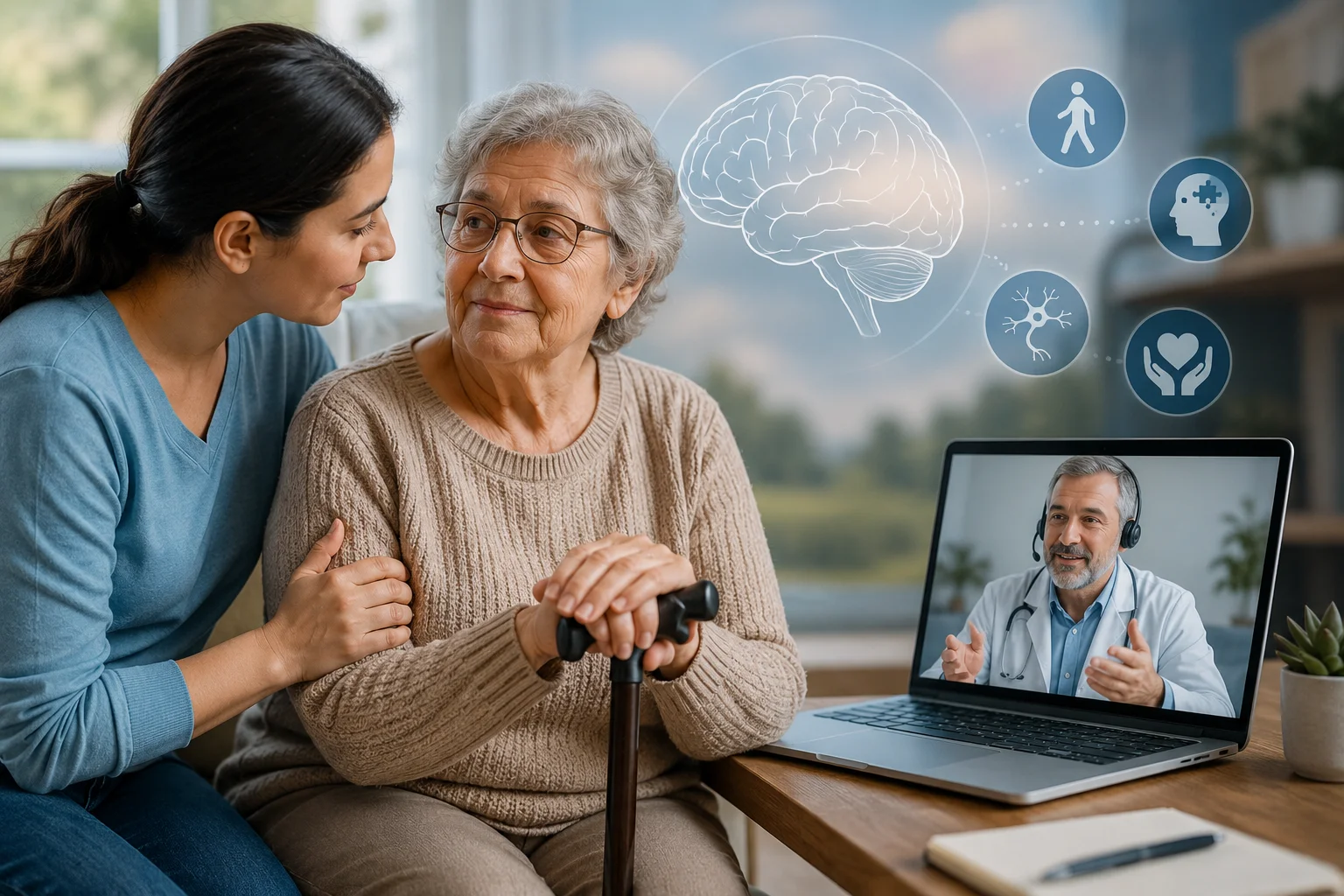
Caring for loved ones with a neurological disorder is among the most significant and challenging activities an individual can be tasked with. Whether it’s Parkinson’s, epilepsy, multiple sclerosis, or a stroke, these ailments aren’t just affecting the individual affected, but also everyone in the family.
This guide is written specifically for you, the caregiver or family member, the person who comes to visit every day.
What Is a Neurological Condition, and Why Does It Matter for Caregiving?
A neurological issue can affect the spinal cord, brain, or nerves. This may affect the way the person talks, moves, thinks, remembers their thoughts or experiences emotions.
Each condition is unique. Certain conditions progress slowly over time. Some may experience rapid changes after an event, such as stroke. Knowing the issues your loved ones are experiencing can help you respond with a calm attitude instead of anger, and this makes the difference.
What Daily Life Looks Like When You’re a Caregiver
Every day is not identical. A person you love may be feeling quite good. On the other hand, they could have difficulty with everyday tasks such as dressing and eating.
Common challenges of daily life can include:
- Aiding with physical mobility
- Maintaining the basis of a strict timetable
- Communicating when cognition or speech is impacted
- Be alert for any symptoms of a seizure, accident, or a sudden change in health
Being well-prepared for these shifts, not just for the great days, helps to keep you calm and productive.
How Do You Handle the Emotional Side of Caregiving?
It is a fact that is often not spoken about: caring for someone else is emotionally exhausting. Feelings of guilt, grief, or anger are not uncommon. You could love the person deeply and yet feel overwhelmed.
A few tips that will help:
- Speak with someone. It doesn’t matter if it’s a counselor, a support group, or an experienced friend; telling them what’s bothering you is important.
- Allow yourself to relax. You can’t pour out of a cup that is empty. Refraining from care or even a few hours of solitude will help you re-energize.
- Separate the illness from the individual. The effects of neurologic conditions can alter the way people behave and their personality. The frustration of your loved ones isn’t always directed towards you, but it’s usually the condition that is speaking.
Also Read : Skin Tags During Pregnancy Removal
What Safety Steps Should Every Caregiver Know?
Safety at home is an important consideration when caring for a person with a neurological disorder. Numerous conditions interfere with balance, coordination, and judgement.
Simple safety measures that can make an enormous difference:
- Clean up clutter and remove loose rugs from walking areas
- Put grab bars in bathrooms and next to the stairs
- The emergency contact numbers should be in plain sight and easily accessible
- Know what you should do during seizures prior to when they occur.
- Create reminders for medication or pill organizers
These little changes can avoid dangerous accidents and give each of you more security at home.
How Do You Communicate With Someone Whose Speech Is Affected?
Ailments that affect the brain, such as strokes or ALS, can cause difficulty speaking. This can be extremely painful for both the sufferer and the person who cares for them.
A few helpful communication tips:
- Be quiet and clear, but don’t be rude to them.
- Give them time to respond. Don’t overdo it or rush to finish your sentences.
- Answer simple yes/no questions when you need to
- Consider assistive tools such as apps or boards for communication when speech is very restricted
When Should You Ask a Doctor for Help?
A lot of caregivers put off contacting a medical expert. It doesn’t need to be an immediate crisis to reach out for help.
Contact a neurologist or specialist if:
- The symptoms are becoming more severe than anticipated
- You’re not sure if an alteration is part of the issue or completely new.
- Medicines do not seem to be effective
- You’re trying to take yourself
You should have answers and not the ability to guess.
What Resources Are Available for Caregivers?
It’s not your responsibility to tackle this problem on your own. There are resources that have been designed to help people who are in your situation.
- Support groups for neurological conditions (in-person or online)
- Respite care providers that offer you brief breaks
- Aides to home health who are educated in neuro-care
- Telehealth consultations with specialists without the need for long journeys
This is especially true when you reside in a rural area or remote region where a visit to a specialist’s clinic takes many hours.
Conclusion
If you care for someone suffering from an illness that affects the brain located in Alaska (or in an underserved or rural zone, accessibility to a specialist may feel difficult to access. Distances, extreme weather, and the lack of local resources can make it difficult to access consistent, specialized treatment.
Telemedicine Alaska connects patients and caregivers to highly expert medical professionals via safe, simple online consultations. If you require help with managing your symptoms, making adjustments to the care plan you have in place, or just speak to a neurology specialist without having to travel six hours, Telemedicine Alaska makes that possible by sitting at home.
It’s not necessary to go through this on your own. Professional support, compassionate service, and genuine solutions are a simple video phone call away.
Contact Telemedicine Alaska today — because your loved ones deserve professional care, as do you.